Reef Color Life

Caroll Alvarado
| 17-12-2025
 · Animal Team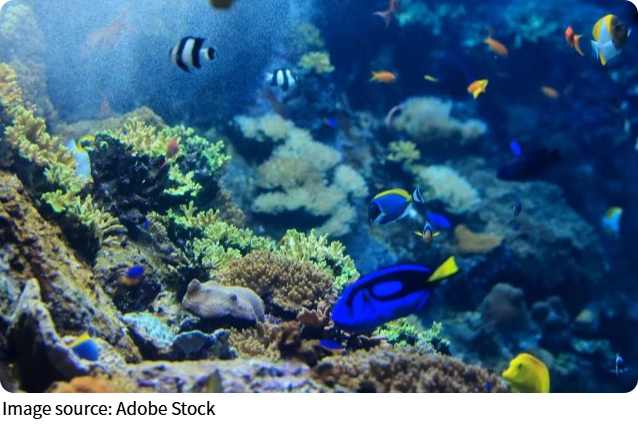
Hey Lykkers! Imagine diving into a tropical sea, feeling the gentle sway of the water, and seeing a vibrant underwater world stretched beneath us. Coral reefs are one of the most stunning ecosystems on Earth, and we get to explore their magic today.
Built slowly over decades or even centuries, these reefs are made by tiny coral animals and algae working together, layer by layer, to form complex, colorful structures. They may look delicate, but they create one of the busiest and most diverse underwater communities on the planet.
The Colors and Life of the Reef
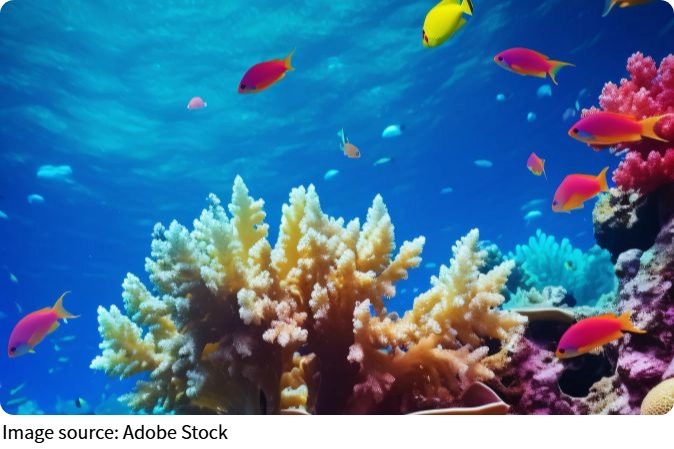
The first thing we notice underwater is the incredible palette of colors. Red, blue, yellow, and purple corals shine like gems, while schools of tiny fish shimmer like moving rainbows. Small lobsters crawl over rocks, starfish cling to branches, and sponges float gently with the currents. Each crevice in the reef is a home for countless creatures, forming an underwater city buzzing with life. As we float above, it’s easy to see how every small corner is alive with movement, energy, and interaction.
How the Reef Forms
Coral reefs grow slowly but persistently. Coral animals extract minerals from seawater to build hard skeletons, and these skeletons stack over time to form massive reef structures. Algae, especially red and green types, help corals grow faster and provide food for many reef inhabitants.
Over hundreds of years, what starts as tiny coral colonies becomes vast formations that can shape water flow, create shelters for fish, and even protect nearby coastlines from strong waves. Every branch and mound is a result of countless organisms working together in perfect harmony.
Reefs as Underwater Nurseries
One of the most amazing roles of coral reefs is as a nursery for young fish. Many species use the reef to hide from predators, find food, and grow safely until they are strong enough to explore open waters. Without reefs, young fish would struggle to survive, and entire food chains could be disrupted. By observing this delicate balance, we realize how essential healthy reefs are—not just for local species, but for the global ocean ecosystem.
Supporting Marine Biodiversity
Reefs are far more than pretty underwater gardens—they support about 25% of all marine species. Worms, mollusks, sponges, lobsters, shrimps, and starfish all find shelter in the coral structures. Some fish even rely on specific types of coral for their survival.
It’s no exaggeration to call reefs the “tropical rainforests of the sea.” If these ecosystems vanish, we risk losing a huge portion of ocean life, which could impact not only marine biodiversity but also the food sources and livelihoods of people who rely on healthy oceans.
Exploring the Reef Responsibly
When we explore reefs, whether snorkeling or diving, we need to be mindful of our impact. Avoid touching or standing on corals, keep a safe distance from marine animals, and never remove anything from the reef. Even small actions, like using reef-safe sunscreen and floating gently, make a big difference. By observing responsibly, we can enjoy the reef’s beauty while helping it thrive for future generations.
Tips for Reef Lovers
To make the most of our reef adventure, timing and equipment matter. Morning dives are often the best because the water is calm, and sunlight enhances the reef’s colors. A quality snorkel or diving mask allows us to see even the tiniest creatures clearly.
Waterproof cameras help us capture memories, but we must resist the urge to touch or move things for a better shot. And when choosing a tour or dive operator, look for ones that practice sustainable and reef-friendly approaches—they help keep these fragile ecosystems safe.
The Thrill of Discovery
Exploring a coral reef is like visiting an alien world—one full of surprises. We might spot a tiny seahorse clinging to a branch, a parrotfish nibbling on algae, or a moray eel peeking from a crevice. Each dive teaches us something new about the delicate balance of life under the sea. By moving slowly and observing carefully, we can witness interactions between species, the flow of the water, and the subtle changes in coral health over time.
Protecting Our Underwater Wonders
Lykkers, coral reefs are more than just beautiful underwater landscapes—they are living, thriving ecosystems essential to the health of our oceans. By learning how they form, what lives within them, and how we can explore them responsibly, we gain a deeper appreciation for their complexity and importance.
Let’s explore together, and protect these underwater treasures so that coral reefs can continue supporting life and inspiring awe for generations to come.