Creativity in Children!

Liam Reilly
| 13-03-2026
 · Science Team
Creativity is not limited to artistic talent. It includes problem-solving, original thinking, adaptability, and the ability to connect ideas in new ways.
In childhood, creativity supports emotional growth, learning motivation, and resilience.
Understanding Creativity as a Skill
Creativity is often misunderstood as an inborn trait. In reality, it is a skill shaped by experience, encouragement, and opportunity. Children are naturally imaginative, but creativity can fade when expression is restricted or overly evaluated. Studies in child development show that creativity increases when children feel safe to experiment without fear of criticism.
Creative thinking involves generating ideas, testing possibilities, and adapting when outcomes change. These abilities support learning across subjects, not only art or music. When creativity is treated as part of everyday thinking, it becomes more accessible and sustainable.
Creating an Environment That Encourages Expression
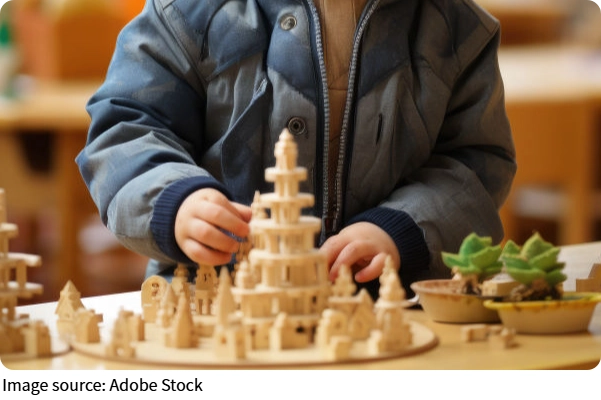
Physical space influences creative behavior. Open-ended materials such as paper, blocks, recycled objects, and basic tools invite experimentation. Unlike single-purpose toys, flexible materials allow children to invent their own uses and stories. Order also matters. A clear, predictable environment helps children focus on exploration rather than distraction. When materials are accessible and organized, creative activity becomes easier to start and maintain.
Time is another critical factor. Creativity requires unhurried moments. Overscheduled days reduce opportunities for imagination. Regular periods of free play support idea development and independent discovery.
Valuing Process Over Outcome
Creativity flourishes when effort matters more than results. Excessive praise for finished products can shift focus toward approval rather than exploration. Instead, acknowledging curiosity, persistence, and problem-solving encourages deeper engagement. Asking reflective questions such as “What was enjoyable about this?” or “What could be tried next time?” reinforces learning without judgment. This approach supports growth while preserving motivation.
Encouraging Risk-Taking and Learning From Mistakes
Creative thinking involves uncertainty. Children need reassurance that mistakes are part of learning, not evidence of failure. When errors are treated as opportunities to adjust and improve, confidence grows. Avoiding constant correction is essential. Allowing children to test ideas, even when outcomes seem uncertain, strengthens independence. Support should guide reflection rather than control decisions.
The Role of Language and Conversation
Language shapes creative development. Open-ended questions invite imagination and deeper thinking. Conversations that explore possibilities rather than demand correct answers keep curiosity alive. Listening attentively also matters. When children feel heard, ideas gain value. This validation encourages continued expression and risk-taking.
Modeling Creativity Through Daily Behavior
Children learn creativity by observing it. Demonstrating curiosity, problem-solving, and enjoyment in learning sends a strong message. Creativity becomes a shared value rather than a separate activity. Educational research strongly supports this idea. Sir Ken Robinson, an internationally recognized expert in education and creativity, stated: “Creativity is as important as literacy, and we should treat it with the same status.”
Supporting Creativity Through Diverse Experiences
Exposure to varied experiences strengthens creative thinking. Reading different types of stories, exploring nature, engaging with music, and observing everyday processes expand perspective. These experiences provide raw material for imagination. Creative growth also benefits from cross-disciplinary thinking. Combining ideas from different areas encourages flexible reasoning and originality.
Balancing Guidance With Freedom
Creativity requires structure and freedom working together. Clear expectations around respect and safety create a secure base. Within that structure, freedom of choice allows ideas to develop naturally. Over-directing creative activity limits ownership. Stepping back at the right time allows children to lead their own exploration, strengthening confidence and initiative.
Supporting Emotional Safety
Emotional safety is essential for creativity. Harsh criticism, comparison, or pressure to perform can silence expression. A calm, supportive atmosphere encourages experimentation and honest effort. Positive reinforcement should focus on engagement rather than comparison. Each child’s creative path develops differently, influenced by personality and interest.
Fostering creativity in children involves more than providing materials or activities. It requires an environment that values curiosity, patience, and thoughtful support. When children feel safe to imagine, question, and experiment, creativity grows naturally, supporting lifelong learning and adaptable thinking.