Smarter Cars Inside Out

Chris Isidore
| 20-03-2026
 · Vehicle Team
Sliding into a car and instantly feeling in control, even when traffic is heavy, is becoming more common thanks to intelligent central control systems and automated driving features.
These technologies are no longer just futuristic concepts—they're redefining how we interact with vehicles and improving both convenience and safety.
Seamless Integration of Smart Displays
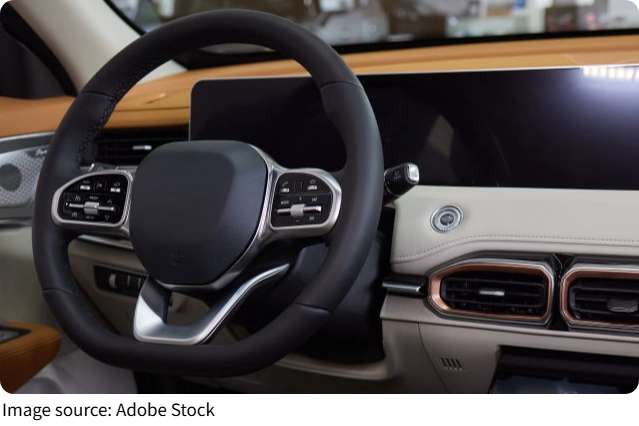
The central interface of a modern vehicle is the hub for navigation, entertainment, and vehicle settings. Its design and responsiveness can dramatically affect the user experience.
1. Touchscreen responsiveness: A smooth, lag-free display helps drivers access maps, media, and calls without distraction. Some vehicles now feature split-screen functionality, letting drivers see a map on one side while controlling music on the other, reducing unnecessary menu switching.
2. Customizable dashboards: Drivers can prioritize information based on preferences, such as fuel efficiency, traffic alerts, or driving mode. A commuter might set a layout that highlights real-time traffic data first thing in the morning.
3. Voice-assisted control: Integrating voice commands reduces manual input and allows multitasking. Saying “Set temperature to 22°C” or “Navigate to the nearest charging station” keeps attention on the road.
By combining touch, voice, and physical controls, drivers enjoy a more intuitive, less distracting experience.
Automated Driving Features and Safety
Automation is no longer limited to fully self-driving cars. Even semi-autonomous systems enhance safety and reduce stress during long commutes.
1. Adaptive cruise control: This system automatically adjusts speed based on traffic conditions. A highway driver can maintain a safe distance from the vehicle ahead without constant acceleration and braking, reducing fatigue.
2. Lane-keeping assistance: Subtle steering adjustments prevent unintentional lane drifting. For example, on long trips, a driver who starts to lose focus is gently guided back to the center of the lane.
3. Collision avoidance: Sensors and cameras detect potential hazards and can alert the driver or even apply brakes automatically. In urban environments with unpredictable pedestrian or cyclist movement, these systems can prevent accidents before the driver reacts.
These automated tools act like an extra layer of awareness, making driving safer without removing control from the driver.
Data Connectivity and Personalization
Smart cars thrive on connectivity, using real-time data to improve both driving and vehicle management.
1. Over-the-air updates: Systems can receive software improvements without visiting a dealership. This keeps navigation data, safety algorithms, and entertainment features current. A daily driver might receive a traffic prediction update that optimizes route planning.
2. User profiles: Vehicles can recognize drivers and adjust settings automatically. Mirrors, seat position, climate, and infotainment preferences can all be loaded for each user, making the car feel personalized from the moment the door opens.
3. Predictive assistance: By analyzing driving habits, smart systems can suggest rest stops, route alternatives, or energy-saving measures. For electric vehicles, this might include recommendations for charging based on battery level and traffic.
Data-driven insights make every drive smoother and more efficient, while tailoring the experience to each driver.
Human-Machine Collaboration
The ultimate goal is harmony between human intuition and machine precision. Smart systems are designed to assist, not replace, drivers.
1. Shared decision-making: Alerts from automated systems are suggestions, allowing the driver to act. For instance, lane departure warnings don't force steering changes but give timely advice, blending machine support with human judgment.
2. Context-aware assistance: Systems can adjust alerts based on conditions. A city drive triggers more pedestrian warnings, while highway driving prioritizes speed and vehicle spacing.
3. Adaptive learning: Some vehicles learn from the driver's style over time. Aggressive drivers might receive softer nudges for corrections, while cautious drivers are given more proactive guidance.
This collaboration ensures the driver feels empowered while benefiting from AI-driven precision and situational awareness.
Looking Ahead
Smart central control and automated driving are creating a new standard for in-car experiences. From responsive touchscreens to predictive alerts and adaptive assistance, these systems reduce stress, improve safety, and make every trip more enjoyable.
As technology continues to evolve, vehicles will become more like personal assistants than machines, anticipating needs and seamlessly blending information, comfort, and control. By embracing these innovations, drivers can experience a more intelligent, intuitive, and connected ride every time they hit the road.