Kids' Handwashing Guide

Santosh Jha
| 02-09-2026
 · Science Team
Handwashing is a simple hygiene practice that helps children remove germs from their hands and reduce their spread.
Because children frequently touch people, objects, food, and surfaces, learning proper hand hygiene is an important part of everyday health.
Effective handwashing requires soap, thorough rubbing, clean running water, and proper drying. Teaching these steps early can help children develop a consistent hygiene routine.
Why Handwashing Matters
Children encounter germs throughout the day through contact with people, objects, and shared surfaces. Unwashed hands can transfer germs when children touch their eyes, nose, or mouth.
Regular handwashing helps remove germs from the hands and can reduce their transfer to other people and surfaces. Hand hygiene is particularly useful in schools and childcare settings, where children interact closely throughout the day.
“Keeping hands clean is one of the most important ways staff and students can stay healthy during the school day.” — Centers for Disease Control and Prevention.
When Should Children Wash Their Hands?
Children should wash their hands at important times, including:
- Before eating or preparing food
- After using the toilet
- After coughing, sneezing, or blowing the nose
- After playing outdoors
- After touching animals or animal-related items
- After handling garbage
- When their hands are visibly dirty
- Before and after caring for someone who is sick
These situations are important opportunities to remove germs before they can be transferred elsewhere.
How to Wash Hands Properly
Children should follow these steps:
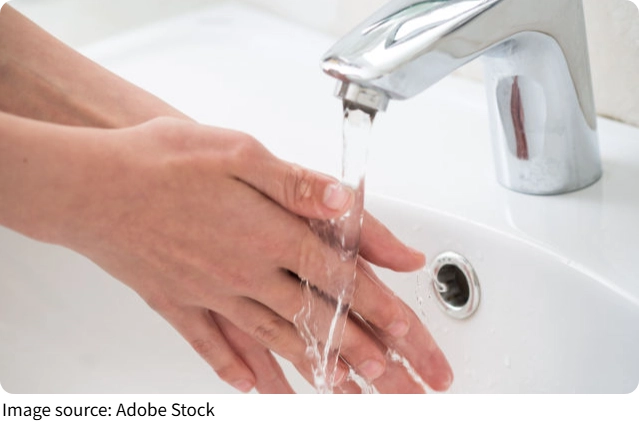
1. Wet: Wet both hands with clean, running water.
2. Apply soap: Use enough soap to cover the hands.
3. Scrub: Rub the palms, backs of the hands, between the fingers, thumbs, and under the fingernails.
4. Continue for at least 20 seconds: Thoroughly scrub all areas of the hands for at least 20 seconds.
5. Rinse: Rinse the hands thoroughly under clean, running water.
6. Dry: Dry completely with a clean towel or air dryer.
Younger children may need supervision or assistance until they can complete these steps consistently.
Soap and Water or Hand Sanitizer?
Soap and running water are preferred when available, particularly when hands are visibly dirty or greasy. If soap and water are not readily available, an appropriate hand sanitizer can be used according to its product instructions.
Hand sanitizer does not remove every type of germ and may be less effective when hands are visibly dirty or greasy. Young children should be supervised when using sanitizer, particularly children under 6.
Helping Children Build the Habit
Parents and caregivers can make handwashing easier to maintain by demonstrating the correct technique, keeping soap accessible, and providing appropriate supervision.
Consistent routines can help children recognize when handwashing is necessary and gradually perform the process independently. Positive encouragement can also support the development of this everyday hygiene skill.
Proper handwashing is an important part of children's everyday hygiene. Washing with soap, scrubbing for at least 20 seconds, rinsing thoroughly, and drying completely provides children with a practical routine for keeping their hands clean. With appropriate guidance and practice, children can develop effective hand hygiene habits that support their health and well-being.